Announcement
Compassion without walls
What it takes to be a community health promoter (CHP) in community palliative care.
Being a Community Health Promoter (CHP) in community palliative care is more than a role. It is a calling rooted in compassion, resilience, and service to humanity.
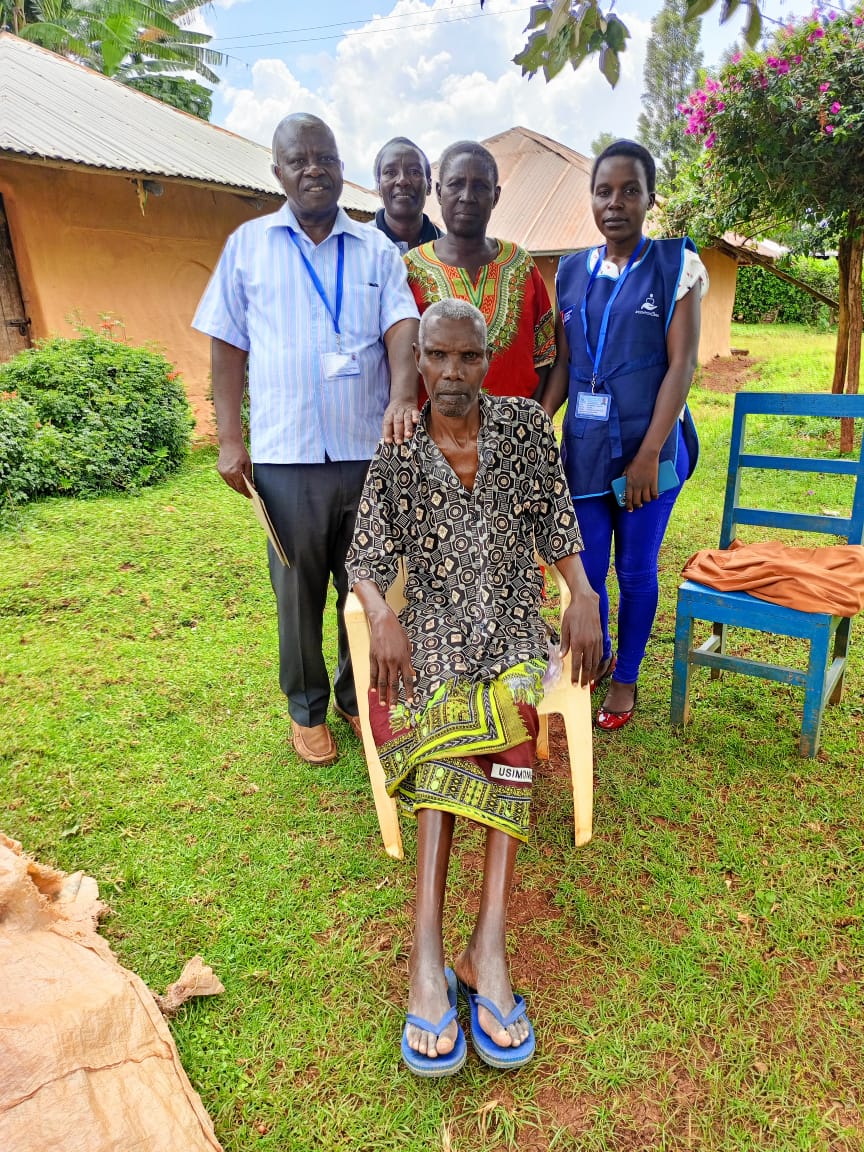
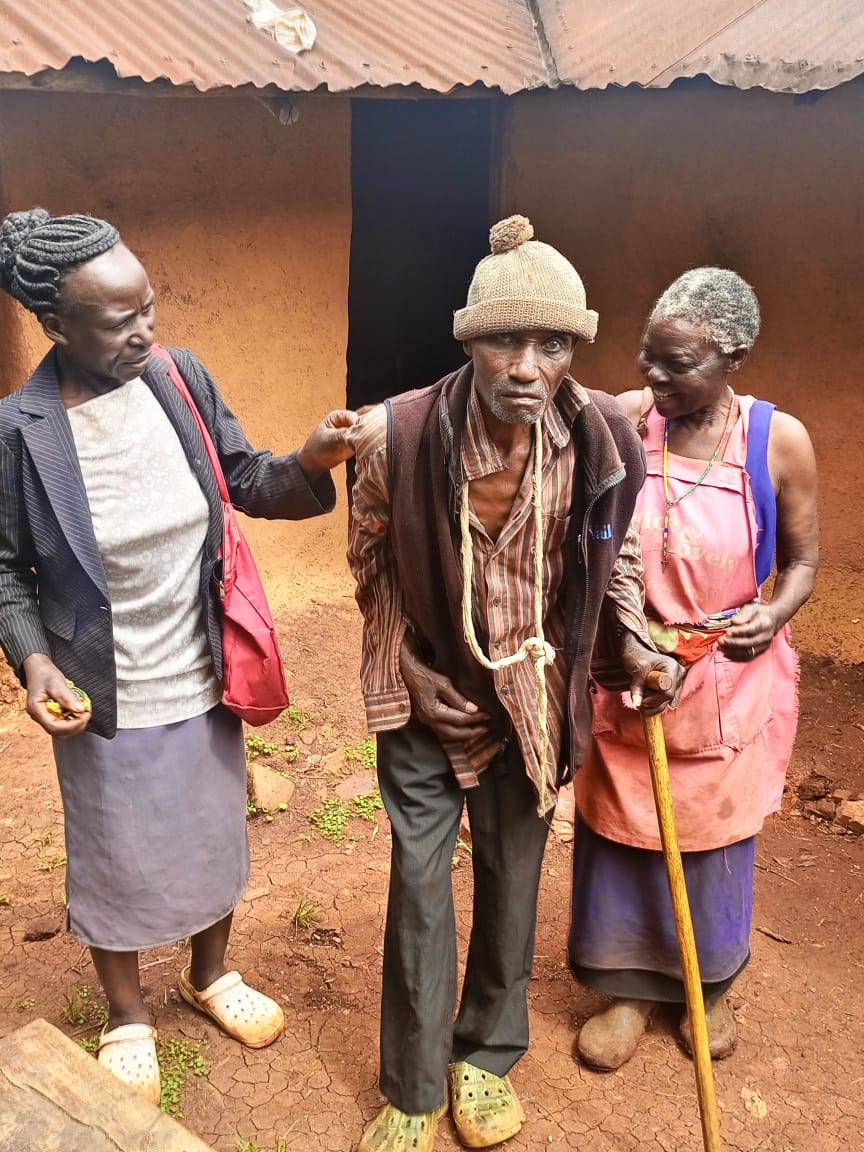
A CHP walks alongside patients and families facing life-limiting illnesses, often within the intimacy of their own homes. This work requires deep empathy, patience, and the ability to listen without judgment. Every visit demands emotional strength, as CHPs support individuals experiencing pain, fear, and uncertainty, while offering comfort, dignity, and reassurance.
Technical knowledge is equally essential. A CHP must understand basic palliative care principles, including pain and symptom monitoring, medication adherence, nutrition support, infection prevention, and safe patient handling. They are trained to recognize danger signs and know when to escalate care or refer patients to health facilities and professional palliative care teams.
Trust is at the heart of community palliative care. CHPs build strong relationships with families, respect cultural beliefs, and maintain confidentiality. They often serve as the critical link between the community and the health system by coordinating follow-ups, documenting patient needs, and ensuring continuity of care.
Beyond the patient, CHPs support caregivers who may be overwhelmed, exhausted, or emotionally distressed. Through counseling, practical guidance, and encouragement, they help reduce caregiver burnout and strengthen family resilience.
Perhaps most importantly, being a CHP requires commitment and courage such as the courage to sit with suffering, to show up consistently, and to offer hope even when a cure is not possible. In doing so, CHPs become the quiet backbone of community palliative care, ensuring that no patient faces serious illness alone.