News
SRH integration into palliative care
Integrating sexual and reproductive health into community palliative care
In Kisii County, community palliative care is evolving to address not only pain and physical symptoms, but the full spectrum of human needs, including sexual and reproductive health (SRH). Integrating SRH into community palliative care ensures that patients and families receive dignified, holistic, and rights-based care throughout the illness journey.
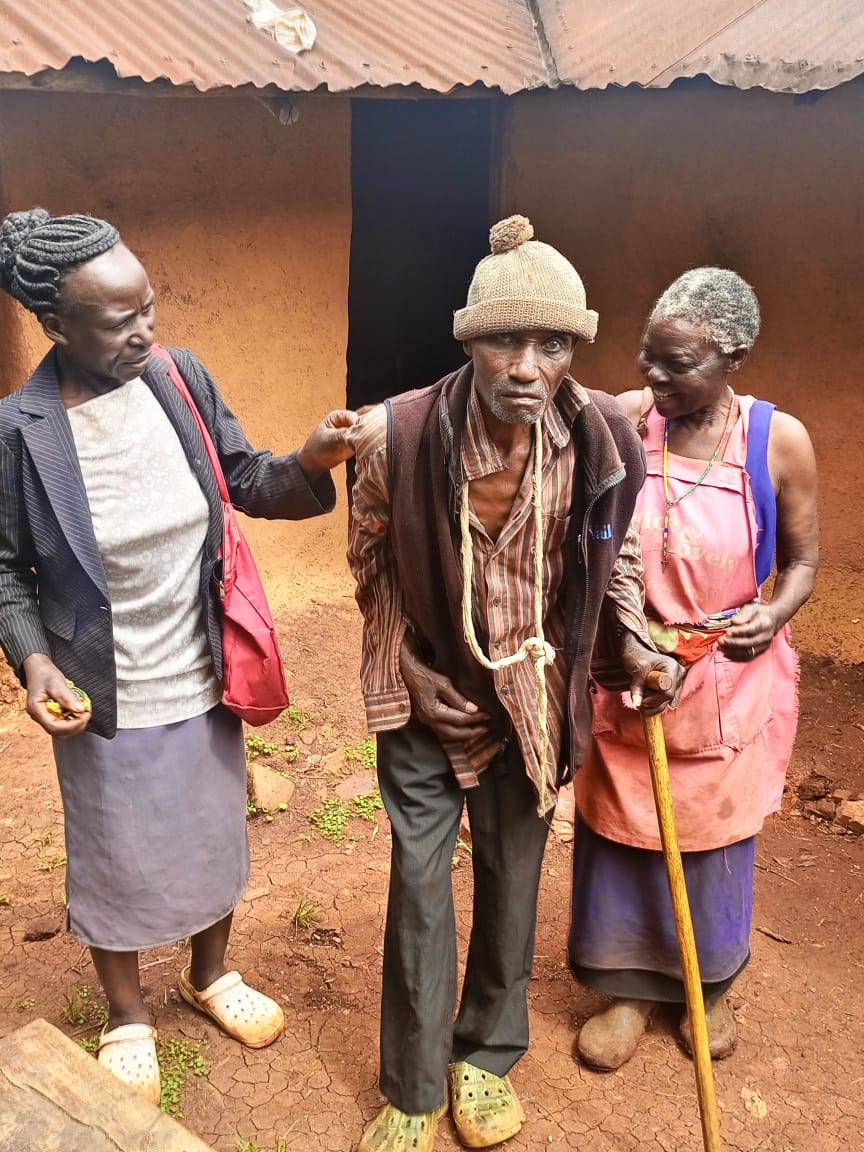
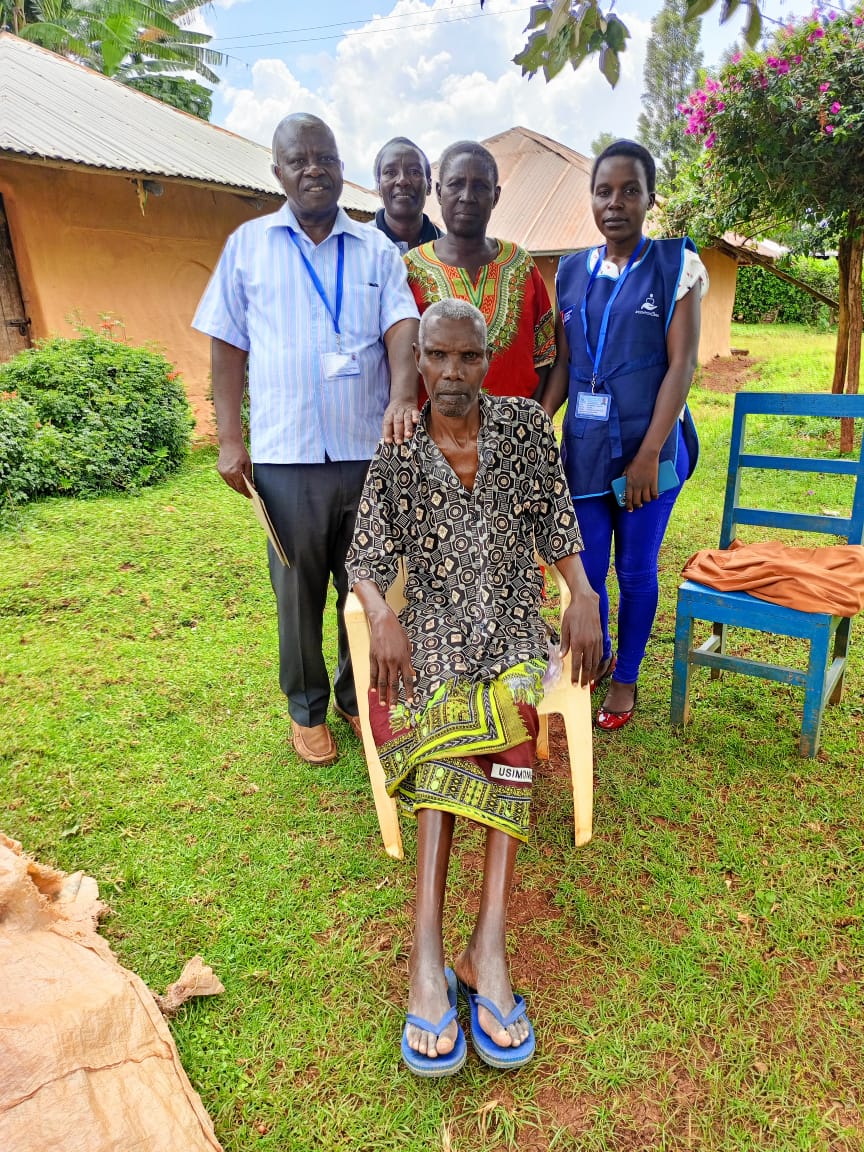
During community and home-based palliative care visits, trained care teams routinely assess SRH needs in a sensitive and culturally appropriate manner. This includes counseling on bodily changes related to illness or treatment, fertility concerns, sexual wellbeing, menstrual health, contraception, and prevention of sexually transmitted infections. For adolescents and young adults living with life-limiting conditions, SRH discussions are age-appropriate, confidential, and guided by informed consent.
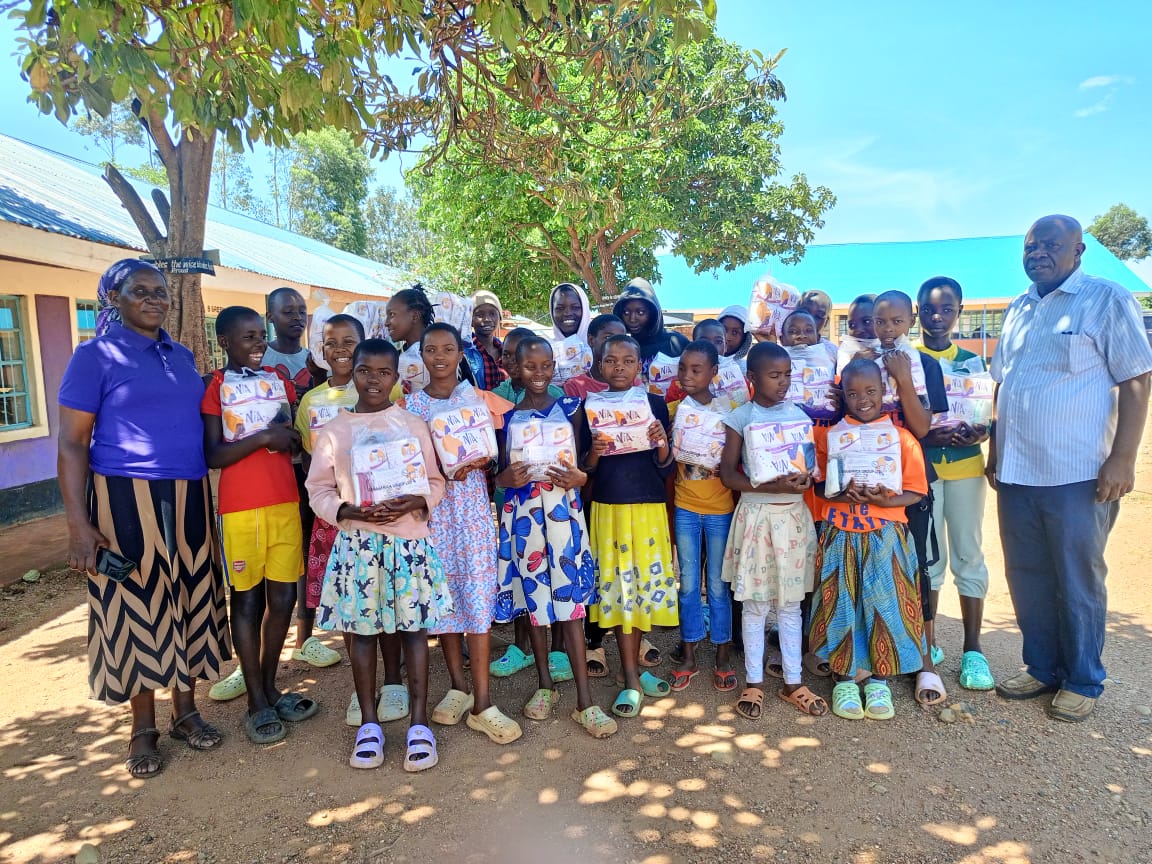
Community Health Promoters (CHPs) play a critical role in this integration. They provide accurate SRH information, identify unmet needs, distribute essential commodities such as condoms and menstrual hygiene supplies where appropriate, and link patients to nearby health facilities for advanced SRH services. Special attention is given to women and girls, who often face compounded vulnerabilities due to illness, stigma, and caregiving responsibilities.
The integration also extends to caregivers and family members. Counseling addresses relationship dynamics, intimacy concerns, gender-based violence risks, family planning options, and psychosocial wellbeing. By opening safe conversations around SRH, the program reduces stigma and empowers families to make informed decisions even in the context of serious illness.
This integrated approach strengthens Universal Health Coverage (UHC) by ensuring continuity of care across the life course and aligns with Kisii County’s priorities on health equity, adolescent health, and community-based service delivery. Most importantly, it affirms that SRH is a fundamental part of dignity, comfort, and quality of life, even within palliative care.